
If you’re wondering whether better nutrition education can actually change how people eat, the honest answer is: sometimes, but not by itself. A class full of facts can help. A few slides about food groups can help a little. But the strongest recent evidence points to something more practical: nutrition education works better when it’s tied to real life, not just memorized for a test.
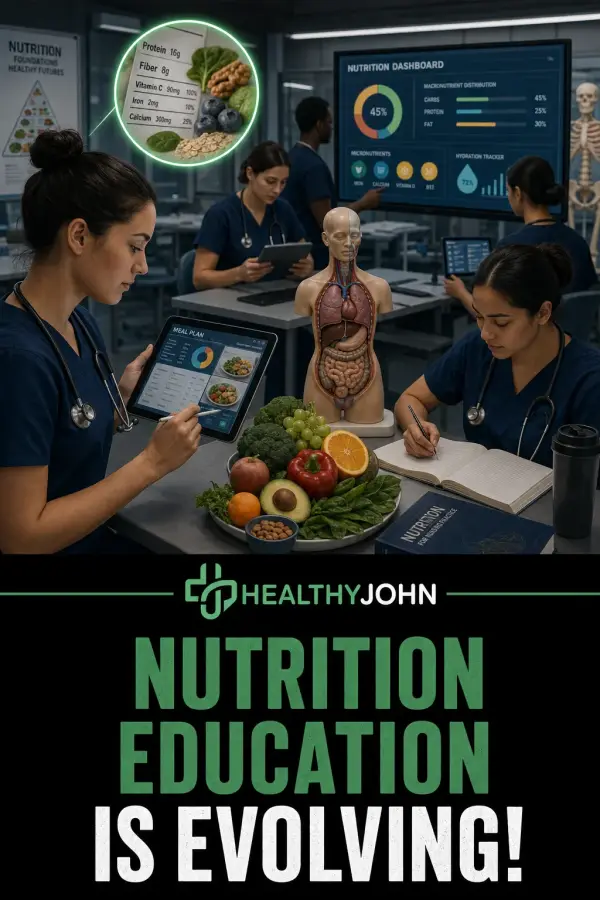
That’s why news about nursing programs paying more attention to nutrition matters. Nurses are often the people patients trust to explain what to eat, what to limit, and what to do next when the grocery budget is tight, the family schedule is packed, or a medical diagnosis changes the whole picture. The goal is not to turn every nurse into a dietitian. It’s to make sure they can talk about food in a useful, realistic way.
The catch is that “better nutrition education” can mean a lot of things. Sometimes it means a stronger curriculum in schools. Sometimes it means hands-on cooking or label reading. Sometimes it means building nutrition into a clinic visit instead of treating it like an afterthought. Those differences matter.
Why nutrition education keeps coming up now
Food is one of the most basic parts of health, but it’s often taught in a shallow way. The CDC says U.S. students receive less than 8 hours of required nutrition education per school year, far below the 40 to 50 hours it says are needed to change behavior. That gap helps explain why so many people know the broad advice, yet still struggle to turn it into daily habits.
At the same time, public health guidance has stayed fairly consistent. The CDC’s healthy eating advice centers on fruits, vegetables, protein, dairy without added sugars, healthy fats, and whole grains. It also notes that healthy eating patterns are linked with lower risk of heart disease, type 2 diabetes, and obesity. Harvard Health gives a similar picture, with emphasis on fiber, whole grains, fruits and vegetables, unsaturated fats, omega-3s, and less processed food.
So the issue is not a lack of broad advice. The issue is delivery. People need to know how to use that advice on a busy Tuesday, not just understand it in theory.
What the new nursing focus may actually change
Based on the notes from Texas A&M, the point of this kind of nutrition education is to help future nurses understand both the science behind food and how to use it in real care settings. That’s a meaningful shift, but it should be described carefully. It is not proof of a nationwide overhaul, and it does not guarantee better patient outcomes on its own.
Still, it could matter in several practical ways:
- More useful patient conversations. Nurses often hear the day-to-day barriers that a doctor visit doesn’t have time for.
- Better referrals. A nurse who understands nutrition can more easily spot when a patient may need a registered dietitian or another professional.
- More realistic advice. Instead of vague warnings about “eating better,” a nurse may be able to suggest a swap that fits the patient’s budget, culture, or schedule.
- Earlier support. Small nutrition changes often work best before blood sugar, blood pressure, or weight concerns get worse.
That said, nurses are not meant to replace dietitians. Good training should make role boundaries clearer, not blur them. The best version of nutrition education helps a nurse know what to explain, what to reinforce, and when to hand off care.
What recent studies suggest about nutrition education
The newest evidence is strongest in school and adolescent settings, and that matters. A 2023 to 2024 systematic review of nutrition education interventions based on behavioral theories found evidence that these programs can change food consumption, but the authors also stressed that results depend on the behavior model and the setting. In plain terms: the same lesson won’t work equally well everywhere.
Other recent studies point in the same direction. A 2024 pilot trial used social cognitive theory in a school-based adolescent nutrition program. Another 2024 cluster randomized trial in Tanzania combined meals, education, and gardens. A 2024 study in Public Health Nutrition looked at the factors that helped or blocked fruit and vegetable intake in a school program. A 2024 study in Frontiers in Public Health reported changes in energy availability, body composition, eating attitude, and sports nutrition knowledge in young female endurance athletes after nutrition education sessions.
The pattern is pretty clear: nutrition education tends to do better when it is paired with support, food access, practice, or behavior change tools. A lecture alone is rarely the whole answer.
Why “food as medicine” can be helpful, but also oversold
The phrase “food is medicine” gets attention for a reason. Diet does affect health. That much is not in dispute. But the phrase can also make things sound simpler than they are. Food is not a cure-all. It cannot replace needed medication, emergency care, or treatment for serious illness.
It’s more accurate to think of food as one part of care. The right eating pattern may help reduce risk, support recovery, or improve energy and daily function. But people still need individualized advice, especially if they have diabetes, kidney disease, heart disease, digestive disorders, food allergies, eating disorders, pregnancy-related needs, or a history of disordered eating.
That’s another reason better nutrition education in nursing could be valuable. Nurses are often on the front line of those conversations. If they’re trained to talk about food without shame, oversimplification, or trendy nonsense, patients may be more likely to listen.
What good nutrition education looks like in real life
If you’ve ever sat through a nutrition talk that felt too abstract to use, you already know the problem. Good nutrition education should answer the questions people actually have.
For families
Parents usually want food ideas that are cheap, fast, and not a fight. A helpful lesson might show how to build a meal around canned beans, frozen vegetables, brown rice, eggs, tuna, or plain yogurt. It might also explain how to read a label without getting lost in the details.
For teens
Teens often need straight talk about energy, sports, growth, body image, and social media myths. They do not usually need fear-based lectures. They need clear advice on breakfast, snacks, hydration, protein, and how to avoid the all-or-nothing mindset that causes rebound eating.
For adults
Many adults already know the basics. Their hard part is planning. They want to know how to get more vegetables into dinner, how to cut back on sodium, and how to stop relying on packaged foods when time is short. The CDC notes that more than 70% of the sodium Americans consume comes from packaged and prepared foods, which is a useful reminder that this is not just about the salt shaker.
For patients with health conditions
People managing diabetes, hypertension, or heart disease need advice that fits their actual treatment plan. Nutrition advice should support care, not conflict with it. That means checking in with the clinician, and often a dietitian, before making major changes.
Why hands-on teaching tends to work better
Readers often say they want less worksheet-style nutrition instruction and more real practice. That matches what the newer research seems to suggest. People remember what they do more than what they hear.
Hands-on education can include:
- simple cooking demos
- store label reading
- meal planning with a tight budget
- grocery cart comparisons
- taste tests of lower-sodium foods
- garden or kitchen activities in schools
These are small things, but they make abstract advice concrete. If someone learns how to swap a high-sodium sauce for a lower-sodium one, or how to build a filling lunch from leftovers, that knowledge is more likely to stick.
That is also why a program can look great on paper and still fail in practice. If it doesn’t match the person’s routine, food access, or preferences, the lesson may never become a habit.
How to judge nutrition advice without getting overwhelmed
There’s a lot of food advice out there, and not all of it is equal. If you want a fast way to sort useful guidance from hype, ask these questions:
- Is the advice specific? “Eat better” is vague. “Add one fruit at breakfast” is more useful.
- Does it fit real life? Advice should work for a work schedule, a family budget, and local food options.
- Does it avoid miracle claims? Real nutrition helps, but it rarely fixes everything overnight.
- Does it respect medical needs? People with health conditions may need special guidance.
- Does it come with a next step? Good advice gives you something small to do today.
One simple place to start is Harvard Health’s Healthy Eating Plate, which is more specific than some general food guides. It focuses on vegetables and fruits, whole grains, healthy protein, and healthy oils, while limiting sugary drinks and heavily processed foods. That doesn’t mean it’s the only correct model, but it does give people a practical visual framework.
What this means if you’re a patient, parent, or student
If you’re a patient, ask your care team for advice you can actually use. For example: “What’s one food swap that would help me the most?” or “Can you show me how to read this label?”
If you’re a parent, push for nutrition lessons that include tasting, shopping, and cooking, not just a handout sent home in a backpack.
If you’re a nursing student or educator, look for ways to connect nutrition with common patient situations, not just anatomy and biochemistry. A patient does not need a perfect lecture. They need clear, kind, doable advice.
And if you’re comparing nutrition messages online, keep one thing in mind: the strongest evidence favors steady, realistic change. Not perfection. Not a detox. Not a one-size-fits-all diet.
Next step: Pick one meal this week and make it more useful, not more complicated. Add a vegetable, swap a sugary drink for water, or choose a less processed protein. Then notice what gets easier, and what still needs help from a professional.


Comments
Be the first to share your thoughts on this article.