

- Blue light is linked to sleep disruption and may impact mental health issues.
- Reducing screen time, especially before bed, can improve your mood.
- Use blue light filter apps to mitigate negative effects.
You've probably heard that blue light from screens can disrupt your sleep, but did you know it might also impact your mental health? Let's dig into how this seemingly harmless light could be affecting your mind.
What is Blue Light?
Blue light is a type of visible light, found naturally in sunlight, and also emitted by digital screens and LED lighting. It's part of the reason why the sky looks blue. Blue light is similar to UV light in wavelength, meaning it's short and high energy. It helps regulate our circadian rhythm, which is our body's natural sleep-wake cycle.
Why Does Blue Light Matter for Mental Health?
Exposure to blue light, especially at night, can interfere with the production of melatonin, a hormone that influences sleep. But here's the catch, some research suggests it might also be linked to increased feelings of depression and anxiety, although the evidence is still emerging and not yet conclusive. A 2019 study published in the journal Scientific Reports suggested that prolonged exposure to artificial blue light may contribute to mood disorders, although these findings are preliminary and require further replication. Scary, right?
Core Concepts: Understanding Blue Light's Role
Blue Light and Sleep Disruption
Most of us spend hours glued to screens, be it for work or leisure. Screens emit blue light which suppresses melatonin production. According to Mayo Clinic guidelines, insufficient melatonin can lead to poor sleep quality, which is a known risk factor for mental health issues.
Blue Light and Mood
Beyond sleep, blue light exposure has been linked to mood changes. A 2019 study in Scientific Reports found a correlation between artificial blue light and heightened stress and anxiety levels. However, the strength of the correlation and its implications require more context and replication. Participants in this study who were exposed to more blue light reported feeling more stressed than those with less exposure, but these findings should be interpreted with caution.
Circadian Rhythm Misalignment
Exposure to blue light at night can throw off your body's circadian rhythm, leading you to feel groggy during the day. This disruption can exacerbate symptoms of depression and anxiety, creating a vicious cycle.
How to Start Reducing Blue Light Exposure
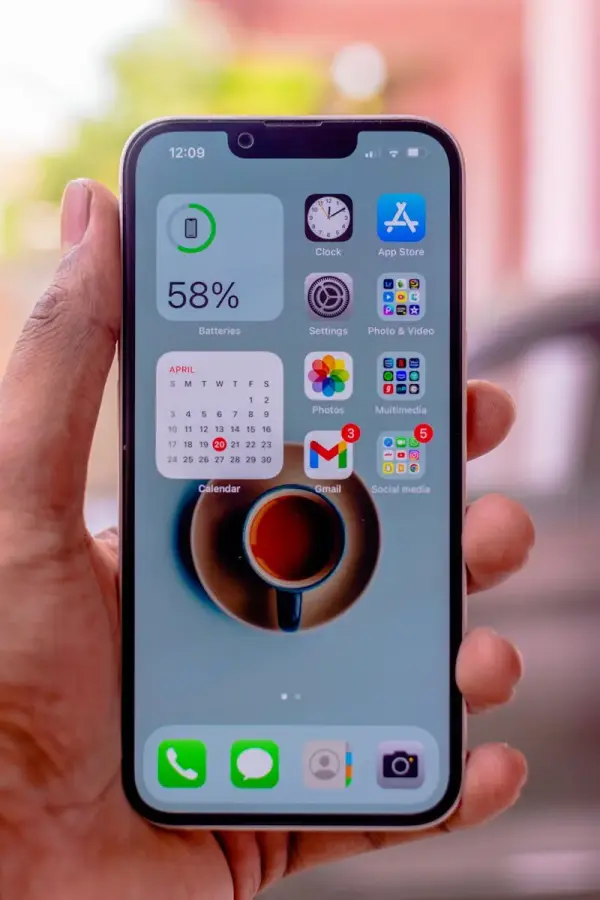
You don’t have to ditch all your screens, but there are practical steps you can take. Consider installing blue light filter apps on your devices. They're easy to find on app stores. Another tip? Try to cut down screen time at least an hour before bed. That Instagram scroll can wait for tomorrow morning.
What to Avoid
Avoid using devices with blue light before bedtime. The temptation is real, I know. But, limiting evening screen time can significantly improve your sleep. Also, avoid keeping screens too close to your eyes, distance can make a difference.
I must admit, I didn't realize how much my late-night Netflix binges could be affecting my mood and sleep. It's eye-opening and makes me think twice about how I use my devices.
- Mayo Clinic: blue light and anxiety
- Harvard Health: impact of digital screens on mental health
- NIH: blue light filter benefits


Comments
Be the first to share your thoughts on this article.