
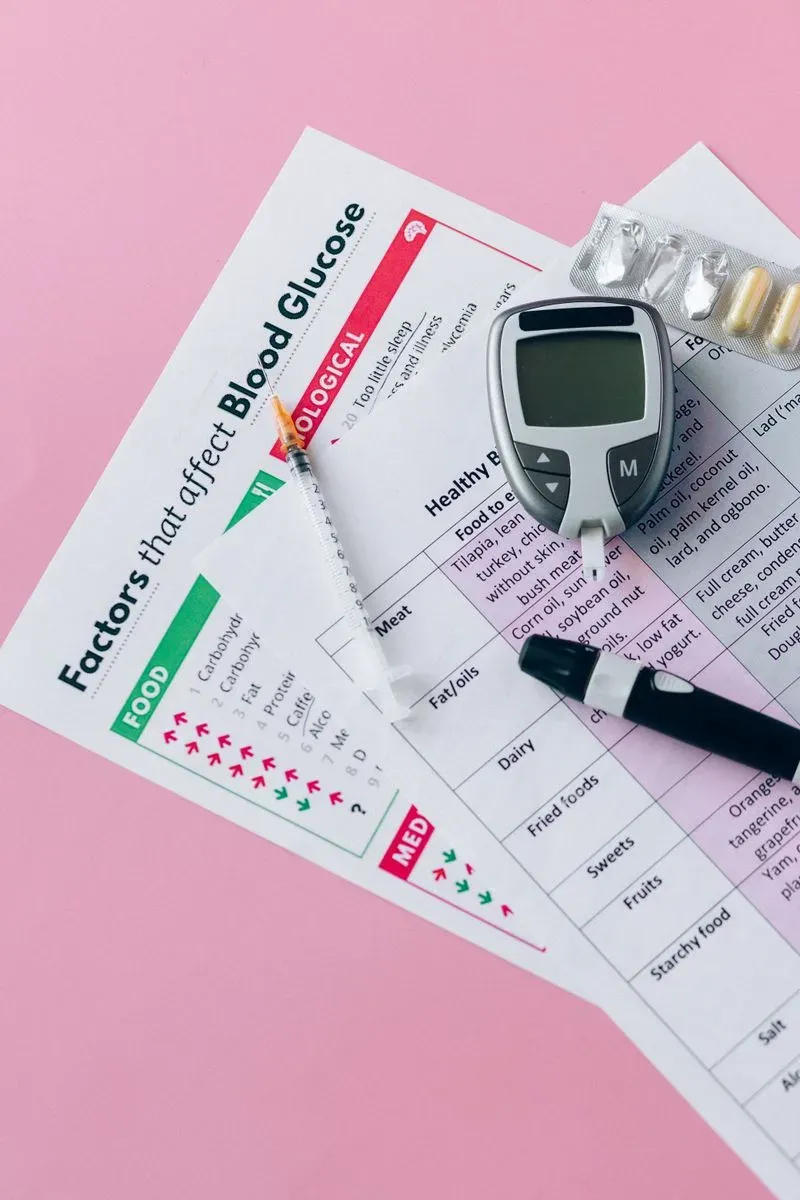
- Blood sugar often stays hard to manage because of portions, meal balance, sleep, stress, and activity, not just one food choice.
- Pairing carbohydrates with protein, fat, or fiber can slow the rise in blood sugar after meals.
- Liquid sugars and large refined carbohydrate portions are common drivers of spikes.
- Track patterns for meals, sleep, stress, and activity before making big changes.
- Supplements have mixed evidence and should not replace standard medical care.
Why blood sugar can stay hard to manage
It can be frustrating to eat what seems like a reasonable meal and still see blood sugar rise higher than expected. For many people, the issue is not one big mistake. It is usually a mix of portions, meal timing, stress, sleep, activity, and medication timing.
If you are trying to support healthy glucose levels, it helps to focus on the parts you can measure and change. That starts with understanding what most often pushes blood sugar up in the first place.
Blood sugar is affected most by carbohydrate intake, but the rest of the meal matters too. Protein, fat, and fiber can slow digestion and reduce how fast glucose rises after eating. That is one reason a balanced plate often works better than a meal built mostly around refined starches or sweets.
Common reasons blood sugar rises more than expected
Several everyday factors can make blood sugar harder to manage, even when you are trying to eat well.
- Large portions of carbohydrates. Bread, rice, pasta, cereal, fruit juice, sweets, and snack foods can raise blood sugar quickly when portions are large.
- Meals with little protein or fiber. A meal that is mostly refined carbohydrate may digest faster and lead to a quicker rise.
- Frequent grazing. Eating snacks all day can keep glucose elevated for longer than planned.
- Poor sleep. Short sleep and irregular sleep can affect insulin sensitivity and appetite.
- Stress. Stress hormones can raise blood sugar and make cravings harder to manage.
- Less physical activity. Muscles use glucose during movement, so inactivity can make levels stay higher.
- Alcohol. Alcohol can affect blood sugar in different ways depending on how much you drink and whether you drink with food.
- Medication timing issues. For people who use diabetes medicine, missed doses or timing problems can affect readings.
None of these means you are failing. They are common, and many are fixable once you spot the pattern.
What helps after meals
CDC guidance is straightforward: healthy eating and portion control matter, and carbohydrates raise blood sugar. A useful first step is to look at the meal that tends to cause the biggest spike and adjust that one before changing everything at once.
Build meals around balance
Try to include a source of protein, a nonstarchy vegetable, and a fiber-rich carbohydrate. Examples include eggs with vegetables and whole grain toast, chicken with beans and salad, or Greek yogurt with nuts and berries.
When carbohydrates are part of the meal, smaller portions often help. You do not need to remove them completely. The goal is to make the meal easier for your body to handle.
Watch liquid carbohydrates
Drinks can raise blood sugar faster than solid food. Soda, sweet tea, juice, specialty coffee drinks, and energy drinks can all add more glucose than many people expect.
If you want a simple change, start by swapping sugary drinks for water, unsweetened tea, or other low-sugar options.
Use movement after eating
A short walk after meals can help the body use glucose more efficiently. Even a modest amount of activity may be useful. You do not need a workout plan to start. Ten to twenty minutes of walking can be a reasonable place to begin if your clinician says it is safe for you.
How to tell whether the pattern is food, timing, or something else
If you check blood sugar at home, patterns matter more than isolated numbers. The CDC notes that many adults with diabetes aim for 80 to 130 mg/dL before meals and less than 180 mg/dL two hours after a meal, though individual targets vary. Your own goal may be different.
It can help to write down:
- What you ate
- How much you ate
- When you ate
- Whether you exercised that day
- How much sleep you got
- Any symptoms such as shakiness, hunger, thirst, or frequent urination
After a week or two, the pattern may become clearer. If blood sugar is highest after a particular meal, that meal is often the best place to make a change first.
Mistakes that often make the problem worse
People trying to support healthy glucose levels often make a few predictable mistakes.
- Cutting too much food too quickly. Very restrictive eating can be hard to maintain and may backfire.
- Replacing meals with snacks. Snack foods often contain more refined starch and less protein or fiber than a planned meal.
- Chasing one number without looking at the pattern. A single reading does not tell the whole story.
- Assuming natural means safe. Supplements can still cause side effects or interact with medication.
- Using supplements instead of medical care. That can delay treatment when a real problem needs attention.
The Mayo Clinic describes a diabetes diet as a healthy eating plan that helps control blood sugar, manage weight, and reduce heart-disease risk factors. That is a better frame than trying to find one perfect food or one perfect pill.
When a supplement may be worth discussing, and when it should not be the first step
Some adults look for extra blood sugar support because they want a simple daily routine. That is understandable. But the National Center for Complementary and Integrative Health says that for most supplements, there is not strong evidence that they benefit diabetes or its complications. Mayo Clinic also notes that dietary supplements are not medicines and are not meant to prevent, treat, or cure medical conditions.
That does not mean every supplement is useless. It means the formula, dose, and evidence matter. A few ingredients, such as certain probiotics or curcumin, have shown promising signals in some studies, but results are mixed and do not prove benefit for any unverified branded product.
If you take diabetes medicine, have kidney disease, are pregnant, or have had low blood sugar episodes, talk with a clinician before adding any supplement. Interactions and side effects are real concerns.
One optional next step if you still want to compare a supplement
If you have already worked on food choices, meal timing, and movement, and you still want to look at a supplement, do it with a careful eye. Read the label, check the ingredient list and dose, and ask whether the claims match the evidence.
One place readers sometimes start is Gluco 6. Healthy John may earn a commission if the reader purchases through it. That said, this kind of product should be treated as optional, not as a replacement for the habits and medical advice that have the strongest support.
Before buying anything in this category, look for three things: a clear ingredient panel, transparent dosing, and realistic wording that does not promise to replace standard care.
When to get medical advice
You should contact a clinician if you notice frequent high readings, unexplained weight loss, nighttime urination, extreme thirst, blurry vision, or frequent urination. Those signs can point to blood sugar problems that need proper assessment.
Get urgent help if you have severe symptoms such as confusion, vomiting, trouble breathing, or blood sugar readings that are very high and not coming down as expected.
Even if your symptoms are mild, it is worth asking about your target range, medication timing, and whether home monitoring is useful for you.
A simple way to start this week
If you want one practical plan, try this:
- Pick one meal that often leaves you with a blood sugar spike.
- Reduce the carbohydrate portion a little.
- Add protein and fiber to that same meal.
- Walk for 10 to 15 minutes after eating if you are able.
- Track the result for several days before changing anything else.
Small changes are easier to keep, and they often teach you more than a dramatic reset.
The strongest advice here is still the simplest: blood sugar is usually managed best through meal structure, portion control, movement, sleep, and medication adherence when prescribed. A supplement can be discussed later, but only after the basics are in place and only if the label and evidence are clear. For an unverified product like Gluco 6, I would keep expectations modest and avoid framing it as a solution.



Comments
Be the first to share your thoughts on this article.