

- Waist size can flag risk that the scale and BMI miss.
- Visceral fat around the organs is more concerning than fat under the skin.
- Resistance training helps preserve muscle while you reduce fat.
- Low-fat labels are not always better if added sugar goes up.
- Small changes, like walking after meals and measuring your waist weekly, are easier to sustain than a big overhaul.
The scale can say one thing while your waist says another. That matters because fat is not all the same. Some of it sits under the skin. Some of it builds up around the organs inside the abdomen, and that visceral fat is tied more closely to health risk.
That is why two people with the same weight can have very different risk profiles. Mayo Clinic notes that BMI is useful, but it does not directly measure body fat or where that fat sits. Cleveland Clinic also points out that visceral fat is the deeper belly fat around organs, and it appears more harmful than subcutaneous fat. If you have ever looked “about the same” on the outside but wondered why your labs or blood pressure changed, this is one reason.
Here are practical ways to read your waistline better, and what to do if you want to lower risk without getting lost in diet noise.
1. Measure your waist the same way each time
Start with a tape measure, not a guess. Mayo Clinic says a waist circumference above 35 inches, or 89 cm, for women and above 40 inches, or 102 cm, for men signals higher risk of heart disease and type 2 diabetes. That does not mean lower numbers are always risk-free, but these cut points are a useful flag.
Use the same method each time. Stand relaxed, breathe out normally, and measure around your abdomen at about the level of your navel, unless your clinician tells you to use a different spot. Measure in the morning if you can, before a big meal. Write the number down. The point is trend, not perfection.
What to watch for: a waist that keeps creeping up over months, even if your weight barely changes.
2. Pay more attention to fat distribution than to weight alone
BMI can miss the story. Mayo Clinic says people with the same BMI can carry very different amounts of body fat and different amounts of muscle. That matters because a 2023 systematic review and meta-analysis in PLoS ONE found that low skeletal muscle mass index was linked with higher all-cause mortality risk in adults. In plain terms, a lighter number on the scale is not always better if it comes with less muscle.
This is why two people can both be “overweight” by BMI, yet one looks and functions very differently from the other. One may have more muscle and less visceral fat. The other may have more fat packed around the organs. The scale misses that split.
If your doctor has ever told you that your blood sugar, cholesterol, or blood pressure are off while your weight seems unchanged, body composition may be part of the reason.
3. Make protein and strength work part of the plan
If your goal is to lower fat without giving up muscle, resistance training matters. Research keeps pointing in the same direction here. A 2023 peer-reviewed cohort study in adults with overweight or obesity found that lower body fat and higher muscle mass were linked with lower mortality risk. That does not mean muscle cancels out every risk, but it does mean body composition matters.
A practical target is two to four strength sessions a week. That can mean dumbbells, machines, resistance bands, or bodyweight moves. Think squats to a chair, wall pushups, hip hinges, rows, and step-ups. Keep it simple enough that you’ll repeat it.
Food matters too. Aim for protein at meals so muscle is easier to keep while fat comes down. A breakfast with eggs and Greek yogurt works better for this than a pastry. So does lunch with beans, chicken, tofu, or fish. You do not need a perfect menu. You do need enough protein to support training.
4. Watch the fat on the plate, but don’t let “low-fat” fool you
Fat is not the enemy. The body uses fatty acids to make fats it needs, and fat helps the body use several vitamins. Mayo Clinic says some experts suggest keeping total fat to about 30% of calories, with saturated fat below 10% of calories. Trans fats are the clear one to avoid because they raise LDL, the so-called bad cholesterol, and lower HDL, the good cholesterol.
Here’s the catch, though. A food that says “low fat” can still be a weak pick if the missing fat got replaced with added sugar or refined starch. Mayo Clinic warns about that exact tradeoff. So when you compare packaged foods, look at the full label, not just the fat line.
- Choose unsalted nuts instead of sugary snack bars.
- Pick plain yogurt and add fruit instead of buying sweetened low-fat yogurt.
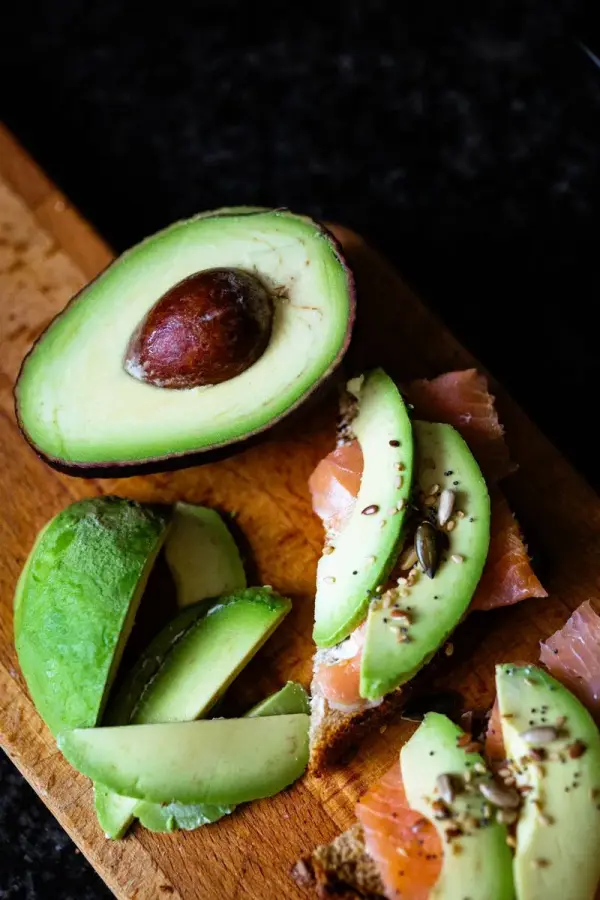
- Use olive oil, avocado, nuts, seeds, or fish more often than fried foods or pastries.
Best quick rule: fewer trans fats, less saturated fat, and less sugar hiding in “healthy” packaged foods.
5. Build meals that blunt visceral fat gain, not just calories
Calories still matter, but the pattern matters too. A 2024 study in Diabetes found that intra- and periorgan fat accumulations tracked positively with visceral fat and negatively with subcutaneous fat, independent of BMI. That is a reminder that where fat goes is not random.
You can’t pick where fat comes off first, but you can shape the odds by what you eat most days. Meals that lean on vegetables, beans, whole grains, lean proteins, and unsaturated fats tend to keep hunger steadier than meals built around refined carbs and ultra-processed snacks. That makes it easier to avoid the cycle of overdoing calories at night.
Try this simple plate pattern:
- Half the plate, non-starchy vegetables.
- One quarter, protein.
- One quarter, high-fiber carbs like brown rice, quinoa, beans, or potatoes with the skin on.
- A small amount of healthy fat, such as olive oil or nuts.
This is not about eating perfectly. It is about making the next meal a little easier to control.
6. Add walking on top of sitting, not just one hard workout
Visceral fat responds well to steady activity. You do not need to train like an athlete. Many people do better when they first reduce long sitting stretches. Take a brisk 10-minute walk after meals, stand up every hour, or add two to three short walks during the day.
Why this works: regular movement helps use fat for fuel, and it can improve blood sugar handling after meals. That matters because belly fat often travels with insulin resistance and other metabolic changes. The CDC describes obesity as a complex chronic disease, not a simple willpower problem, and says too much body fat can drive inflammation and long-lasting metabolic changes.
If you only have a small opening in your day, use it. Three 10-minute walks can beat one skipped workout that you never replace.
7. Treat sleep and alcohol like waist-size tools, not side notes
Sleep loss and alcohol can both make belly fat harder to manage. Short sleep can push appetite in the wrong direction and make it easier to snack late. Alcohol adds calories fast and can loosen food choices after dinner. That does not mean you need to quit both forever, but they deserve a place in the plan.
A useful experiment is to compare two weeks of normal habits with two weeks of tighter sleep and lower alcohol. Keep everything else as steady as you can. Track waist size, energy, and nighttime snacking. Small changes often show up there before they show up on the scale.
If alcohol is part of your routine, set a clear cap before the week starts. For sleep, protect one target, like a fixed bedtime on work nights. Boring beats vague here.
How to combine these without making it complicated
You do not need to chase five changes at once. Pick one from each bucket: measure, move, and eat.
- Measure: check your waist once a week for a month.
- Move: do two strength sessions and three brisk walks.
- Eat: cut trans fats, trim saturated fat, and build one more balanced meal a day.
If your waist is over the Mayo Clinic cut point, or rising fast, that is a good reason to talk with a clinician about blood pressure, cholesterol, blood sugar, and whether you need a more detailed body-composition check. Cleveland Clinic notes that visceral fat is harder to see, so a normal-looking body can still carry hidden risk. That is the whole point of measuring the waist instead of guessing from the mirror.
Also worth saying plainly, there is no single universal body-fat cutoff that perfectly separates healthy from unhealthy. Research and measurement methods vary. So do bodies. That is why the best plan is not a perfect number. It is a steady set of habits that push risk the right way.
If you want one action for this week, take your waist measurement tomorrow morning, then add two brisk 10-minute walks after meals before the week ends.
The big lesson here is simple: weight alone can hide a lot. Waist size, muscle mass, and where fat sits around the organs can tell a more useful story than BMI by itself. Readers should leave with one clear next step, measure the waist the same way each week and use that number, plus movement and food changes, to track risk over time.



Comments
Be the first to share your thoughts on this article.