
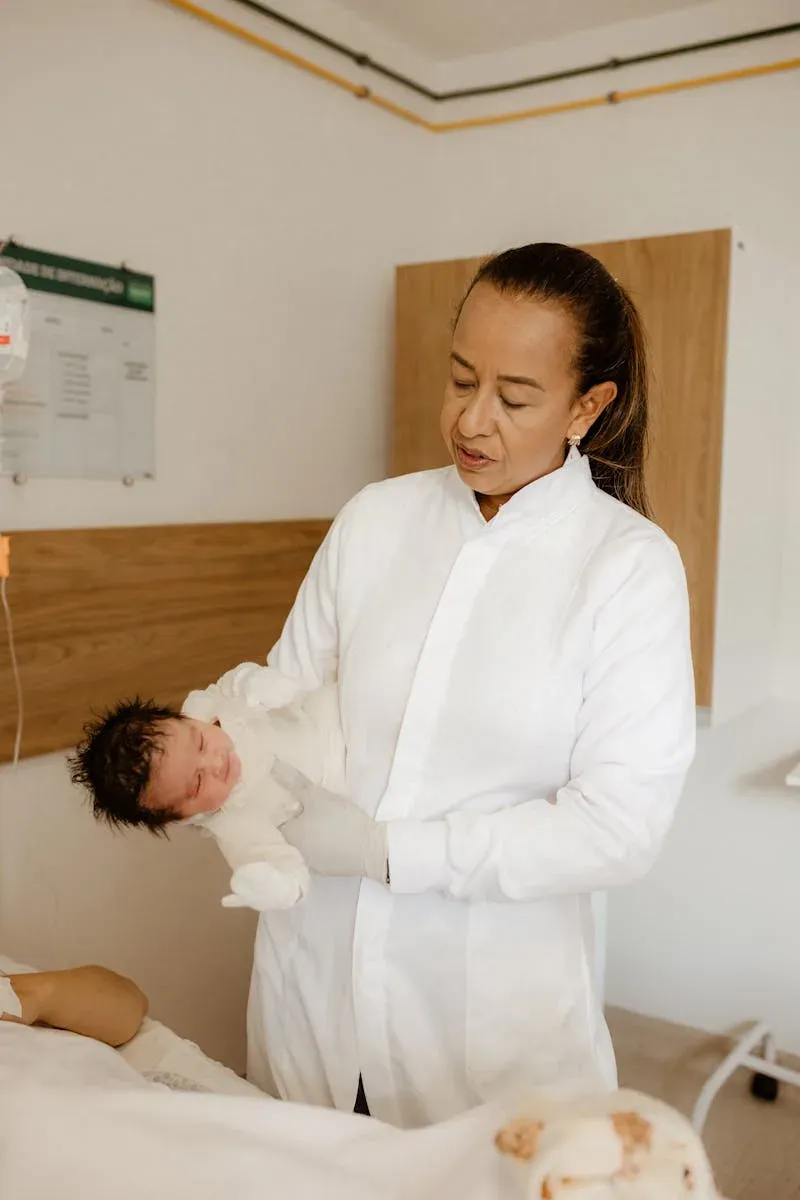
- Prenatal care is important for detecting and managing potential issues early.
- Maternal nutrition may influence fetal growth and birth weight.
- Awareness of safe sleep practices reduces SIDS risk.
- Access to healthcare is crucial in high-risk areas.
You've probably heard the heartbreaking statistics about infant mortality. While the overall rate remained steady from 2022 to 2023, with 5.61 deaths per 1,000 live births, understanding what drives these numbers is key to making a change. Let's explore some actionable steps to reduce these rates and ensure healthier starts for our children.
Why It Matters
Infant mortality rates are more than just numbers; they're a reflection of societal health and access to quality maternal care. In 2023, significant causes of infant deaths included congenital malformations (19.9%) and low birth weight (14.5%). By addressing these, we can work towards reducing these tragic outcomes.
1. Improve Prenatal Care
Prenatal care is crucial. It can help detect, monitor, and manage potential issues early. Regular check-ups help manage maternal health problems that could affect the baby. Encourage expecting mothers to attend all scheduled appointments and screenings.
2. Support Maternal Nutrition
Adequate nutrition during pregnancy is important. Low birth weight, a major contributor to infant mortality, can be associated with a range of factors, including maternal nutrition, smoking, hypertension, and preterm birth. Encourage a balanced diet and consider supplements like folic acid and iron, which can help support fetal development and lower the risk of some birth defects.
3. Increase Awareness of Safe Sleep Practices
Sudden Infant Death Syndrome (SIDS) is one recognized cause of infant death, and its share of infant deaths can vary by year and classification. Educating parents on safe sleep practices can make a significant difference. Babies should sleep on their backs on a firm mattress without any soft bedding or toys.
4. Enhance Access to Healthcare in High-Risk Areas
States like Mississippi, with higher infant mortality rates (8.94 per 1,000 live births), need focused healthcare interventions. Programs that provide easy access to medical facilities and healthcare education can help reduce rates in such regions.
5. Encourage Full-term Pregnancies
Preterm births are a concern, with 10.41% of infants born before 37 weeks. These infants are at higher risk for complications. Encourage avoiding non-medically indicated early delivery when possible, while recognizing that some preterm births are medically necessary, by emphasizing proper prenatal care and health monitoring.
Common Mistakes
One common mistake is ignoring the importance of full-term pregnancies and skipping prenatal visits. Also, many new parents might not be fully informed about safe sleep practices, leading to preventable risks. Finally, substantial regional differences suggest that a one-size-fits-all approach won't work; tailored solutions are necessary.
Final Thoughts
Reducing infant mortality requires a community effort, from improving healthcare access to educating parents. These steps can help, but infant mortality is multifactorial and cannot be addressed fully by any single set of measures alone. Start with one action today, whether it’s encouraging a mother-to-be to keep her next prenatal appointment or sharing information about safe sleep practices.
Infant health is a topic close to my heart. Understanding these specific factors helps us make informed decisions for better outcomes. Let's focus on practical measures that can contribute to better outcomes.




Comments
Be the first to share your thoughts on this article.