

- Intermittent fasting involves alternating between periods of eating and fasting, which can improve metabolic health and support weight loss.
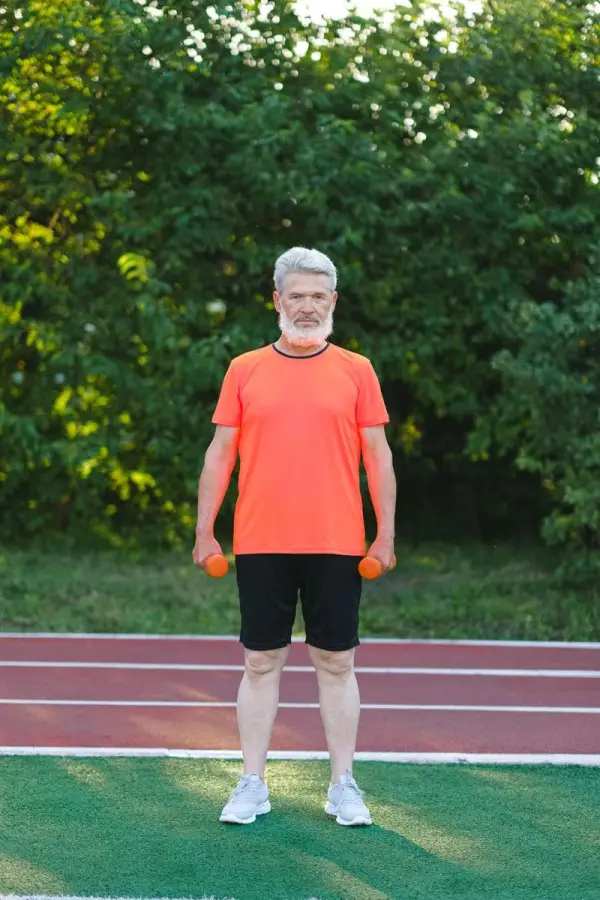
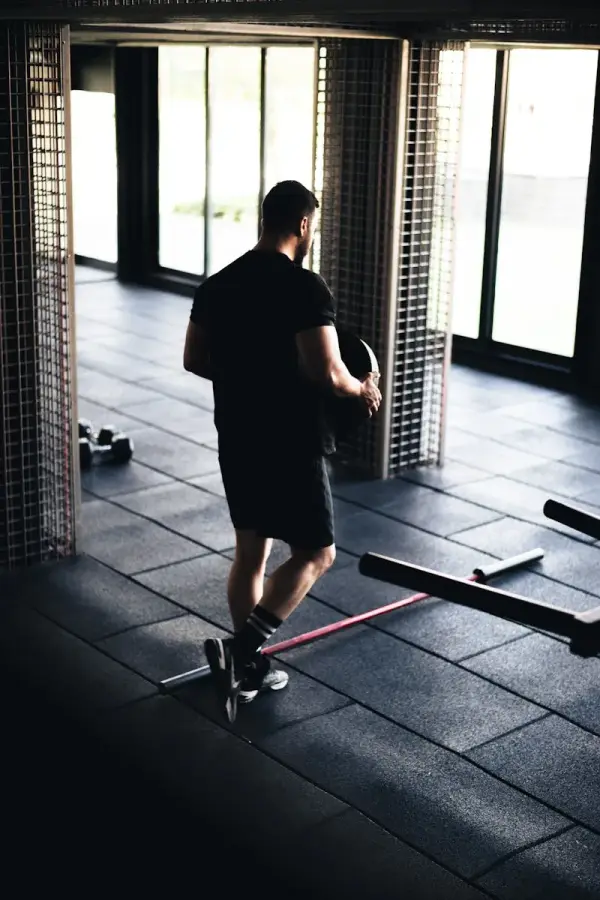
- Combining intermittent fasting with exercise may enhance fat burning, muscle gain, and endurance, though effects can vary among individuals.
- Timing workouts towards the end of the fasting period may optimize fat burning and muscle growth, but this is still debated and may depend on individual responses.
- Staying hydrated and consuming a balanced post-workout meal are crucial for recovery and sustained performance.
- Gradual adaptation is important to overcome initial fatigue and muscle soreness when starting this regimen.
Are you looking for an efficient way to maximize your fitness results? Combining intermittent fasting with an exercise routine can be a game-changer. This powerful duo is gaining popularity for its ability to boost overall health and enhance physical performance.
Understanding Intermittent Fasting
Intermittent fasting (IF) involves cycling between periods of eating and fasting. It's not just a diet but a lifestyle choice that can improve metabolic health and aid in weight loss. Popular methods include the 16/8 method and the 5:2 approach, both of which offer flexibility to fit your lifestyle.
How Intermittent Fasting Enhances Exercise Results
When you combine intermittent fasting with exercise, you may experience several benefits:
- Improved fat burning: Exercising in a fasted state can increase fat oxidation, allowing your body to use stored fat as fuel.
- Enhanced muscle gain: Some studies suggest that fasting can increase growth hormone levels, which may play a role in muscle growth and recovery, though its direct impact is less clear.
- Increased endurance: Some research suggests that fasting can improve mitochondrial efficiency, potentially enhancing endurance performance, but more studies are needed.
Best Exercise Practices with Intermittent Fasting
Here are some tips to optimize your exercise routine while practicing intermittent fasting:
- Timing is key: Schedule your workouts towards the end of your fasting window to potentially maximize fat burning and muscle growth, though individual responses can vary.
- Stay hydrated: Ensure adequate hydration before and after workouts, as fasting can increase fluid loss.
- Listen to your body: Start with low to moderate-intensity workouts and gradually increase intensity as you become more accustomed to fasting.
- Post-workout nutrition: After exercising, consume a balanced meal rich in protein and carbs to aid recovery and muscle synthesis.
Potential Challenges and How to Overcome Them
While combining intermittent fasting and exercise has its benefits, it's important to be aware of potential challenges:
- Initial fatigue: You might feel tired in the beginning. Gradually increase your fasting and exercise load to allow your body to adapt.
- Muscle soreness: Ensure proper nutrition and rest to mitigate soreness and prevent injury.
- Plateauing: If you hit a plateau, consider varying your fasting schedule or workout routine to continue progressing.
By understanding these challenges, you can strategically plan your approach and continue to reap the benefits of this powerful combination.
integrating intermittent fasting with your exercise routine can unlock your body's full potential. Start slowly, listen to your body, and enjoy the journey to enhanced fitness and health!
Ready to optimize your fitness journey? Start incorporating these strategies today and experience the transformation!
This article provides a concise overview of how intermittent fasting combined with exercise can potentially enhance fitness results. As someone who appreciates practical health advice, I find the guidance on timing workouts and post-workout nutrition particularly useful for those looking to maximize their efforts.
- Mayo Clinic: Intermittent fasting benefits Mayo Clinic
- Harvard Health: Exercise and fasting NIH study
- NIH: Growth hormone levels during fasting Mayo Clinic


Comments
Be the first to share your thoughts on this article.