

- The gut microbiome is a unique ecosystem of microbes crucial for digestion, immune function, and mood stabilization.
- A healthy and diverse gut microbiome can improve digestion, nutrient absorption, and may reduce anxiety and depression.
- Gut health is linked to various conditions, including obesity, type 2 diabetes, and cardiovascular diseases.
- Maintaining gut health involves eating a diverse diet, consuming probiotics and prebiotics, limiting antibiotics, and managing stress.
- Ongoing microbiome research is exploring new health therapies and personalized medicine approaches.
Did you know that the trillions of microbes in your gut could be the key to unlocking better health? Recent research has uncovered the powerful role of the gut microbiome in everything from digestion to mental health. Let’s dive into this fascinating topic and explore how you can harness the power of your gut’s microbial inhabitants.
What is the Gut Microbiome?
The gut microbiome refers to the vast community of bacteria, viruses, fungi, and other microorganisms living in your intestines. This complex ecosystem is unique to each individual, similar to a fingerprint. It plays a crucial role in various bodily functions, including metabolism, immune system regulation, and even mood stabilization.
The Impact of Gut Health on Overall Wellness
Research indicates that a healthy gut microbiome can contribute to improved digestion and nutrient absorption. the gut-brain axis, a communication network linking the gut and brain, suggests that a balanced microbiome may alleviate anxiety and depression. Studies have also found links between gut health and conditions such as obesity, type 2 diabetes, and cardiovascular diseases.
Maintaining a diverse microbiome is crucial, as diversity is associated with resilience against diseases. An imbalance, known as dysbiosis, can lead to gastrointestinal disorders and inflammation.
How to Support Your Gut Microbiome
Supporting your gut health doesn't require drastic changes. Here are some science-backed ways to nurture your microbiome:
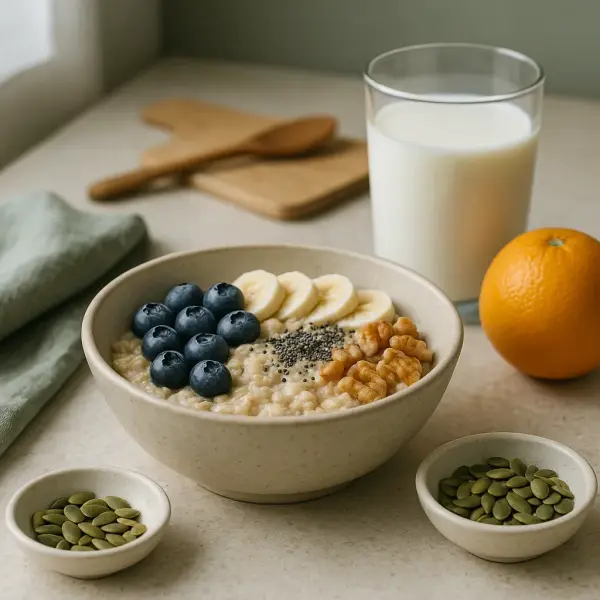
- Eat a diverse range of foods: A diet rich in fruits, vegetables, whole grains, and fermented foods can boost microbiome diversity.
- Include probiotics and prebiotics: Probiotics are live beneficial bacteria found in foods like yogurt, while prebiotics, found in foods like garlic and onions, feed these bacteria.
- Limit antibiotics: Overuse of antibiotics can disrupt your gut's microbial balance. Only take them when prescribed by a healthcare professional.
- Manage stress: Chronic stress can negatively impact your gut health. Practices like meditation and yoga can help manage stress levels.
The Future of Microbiome Research
The study of the microbiome is a rapidly evolving field. Future research promises to unveil more about how these tiny organisms influence our health and how they can be harnessed in personalized medicine. Innovations are underway to develop microbiome-based therapies to treat a variety of illnesses.
With ongoing discoveries, our understanding of the gut microbiome's potential continues to expand, offering new pathways to enhancing human health.
Conclusion: Embrace Your Gut's Potential
The gut microbiome is more than just a collection of microorganisms; it's a vital component of your health. By making informed dietary and lifestyle choices, you can nurture this dynamic ecosystem and pave the way to better well-being. Start today by incorporating gut-friendly habits into your daily routine, and witness the transformative effects on your health.
Call to Action: Ready to take charge of your gut health? Subscribe to our newsletter for more tips and updates on the latest microbiome research!
This article does a great job of highlighting the importance of gut health and its connection to overall well-being. As someone who values evidence-based health information, I appreciate the inclusion of practical tips for supporting the gut microbiome through diet and lifestyle changes. The emerging research in this field is truly exciting and holds significant promise for the future of personalized medicine.
- Mayo Clinic: gut microbiome role in mental health Mayo Clinic
- Harvard Health: NIH recommendations for supporting gut health
- NIH: Mayo Clinic probiotics and prebiotics guide


Comments
Be the first to share your thoughts on this article.