

- The gut-brain axis is a bidirectional communication network that impacts mood and cognitive health.
- Gut bacteria produce neurotransmitters like serotonin and dopamine, crucial for mood regulation.
- A balanced gut microbiota can enhance mood and cognitive function, while an imbalance can lead to mood disorders.
- Incorporating probiotics and prebiotics in your diet can foster a healthy microbiome and improve mental health.
- Lifestyle changes such as staying hydrated, managing stress, and getting enough sleep support gut and brain health.
Did you know the secret to a happy mind might be in your gut? Recent discoveries have illuminated the intricate relationship between gut health and mental well-being, revealing how we can harness this connection to boost our mood and mental clarity.
Understanding the Gut-Brain Connection
The gut-brain axis is a communication network that links your gut and brain. It's a bidirectional pathway involving the central nervous system and the enteric nervous system, often referred to as the "second brain." This connection allows your gut to influence your brain's function and vice versa, impacting mood and cognitive health.
Research has shown that gut bacteria produce neurotransmitters such as serotonin and dopamine, which are crucial for regulating mood. An imbalance in gut flora, known as dysbiosis, can lead to mood disorders like anxiety and depression.
The Role of Microbiota in Mental Health
Your gut houses a diverse community of trillions of microorganisms collectively known as the gut microbiota. These microorganisms play a pivotal role in maintaining your overall health, including mental health. They produce vitamins, aid digestion, and help regulate immune function.
Studies have found that a healthy, balanced microbiota can enhance mood and cognitive function. Conversely, an unhealthy gut can impair these processes, leading to mental health challenges. Probiotics and prebiotics are valuable tools in fostering a healthy microbiome, enhancing resilience against stress and improving mood.
Foods That Boost the Gut-Brain Axis
Nourishing your gut with the right foods can significantly enhance your mental well-being. Here are some gut-friendly foods to include in your diet:
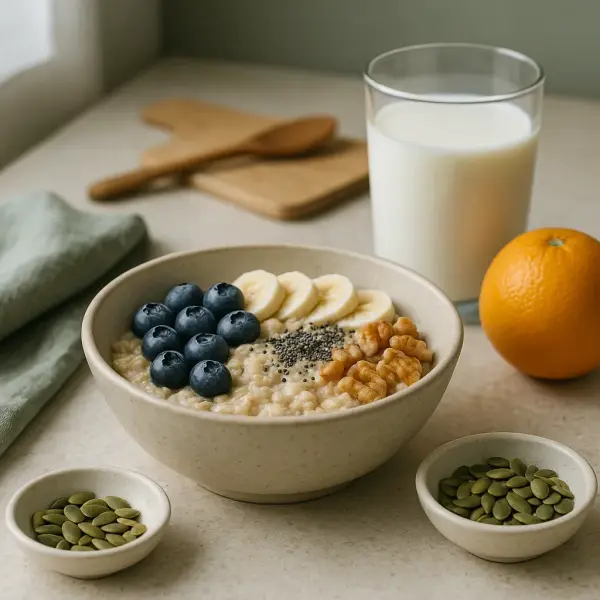
- Fermented Foods: Foods like yogurt, kefir, sauerkraut, and kimchi are rich in probiotics, which support a healthy balance of gut bacteria.
- Prebiotic-Rich Foods: Foods such as bananas, onions, garlic, and asparagus encourage the growth of beneficial gut bacteria.
- Polyphenols: These compounds, found in foods like dark chocolate, green tea, and berries, support the growth of beneficial gut bacteria.
Practical Tips to Improve Your Gut and Brain Health
Integrating simple changes into your daily routine can make a significant difference in your gut and brain health:
- Stay Hydrated: Water helps maintain the mucosal lining of the intestines and promotes the balance of good bacteria.
- Manage Stress: Practice relaxation techniques like meditation and yoga to reduce stress, which can negatively affect your gut.
- Get Enough Sleep: Prioritize 7-9 hours of quality sleep per night to support both gut and brain health.
By taking care of your gut, you're not only ensuring a healthier body but also a happier mind.
Conclusion
As science continues to uncover the complexities of the gut-brain connection, we gain valuable insights into how maintaining gut health can positively affect mental well-being. Start incorporating these strategies into your lifestyle today and unlock the secrets to a healthier, happier you.
Ready to improve your mental health through your gut? Subscribe to our newsletter for more science-backed health tips and updates!
This article provides an insightful overview of the gut-brain connection and its impact on mental health. The information is well-presented, highlighting the importance of gut health in regulating mood and cognitive functions. It's a fascinating read that encourages readers to consider dietary and lifestyle changes for better mental well-being.
- Mayo Clinic: Mayo Clinic gut-brain connection
- Harvard Health: NIH role of gut microbiota in mental health
- NIH: Probiotics and mental health benefits


Comments
Be the first to share your thoughts on this article.