

- Long sitting, sudden overuse, poor sleep, and inactivity can all make joint stiffness feel worse.
- Short movement breaks, warm-ups, heat, and better recovery habits may help reduce stiffness.
- Low-impact exercise and gentle strength work often support more comfortable movement over time.
- Swelling, redness, warmth, injury, or stiffness that keeps worsening should be checked by a clinician.
- Supplements may be an optional add-on, but ingredient-level evidence does not prove the finished product works the same way for everyone.
Why some joints feel stiffer on certain days
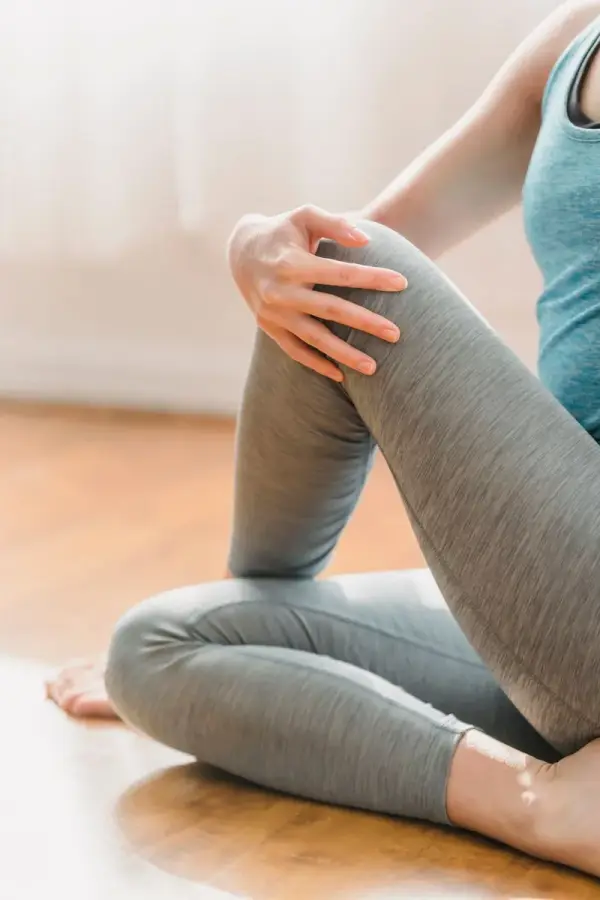
Joint stiffness often feels worse when a few things stack up at once. Long periods of sitting, sudden bursts of activity, poor sleep, dehydration, stress, and older age can all make movement feel less smooth. Some people notice it most in the morning. Others feel it after a long drive, a desk day, or a hard workout.
The good news is that stiffness is often influenced by daily habits. That does not mean it is always harmless. But it does mean you may be able to reduce how often it gets in the way of walking, climbing stairs, reaching, gripping, or getting up from a chair.
This article focuses on practical changes that may help, what usually makes stiffness worse, and when it is smart to get checked.
Common habits that can make stiffness worse
Many people think joint stiffness is only about age or wear and tear. Those things matter, but the daily pattern matters too.
- Sitting for long stretches: Joints and surrounding tissues can feel tight after hours without movement.
- Going from rest to full effort: A sudden walk, heavy lifting, or a hard workout without warm-up can make stiffness more noticeable.
- Skipping regular movement: Joints usually do better with steady, moderate activity than with long idle periods.
- Poor sleep: Bad sleep can make pain and stiffness feel more intense the next day.
- Too much repetitive strain: Repeating the same motion for work, chores, or exercise can irritate already sensitive joints.
- Not enough fluids or food: Dehydration and low energy can make it harder for your body to move well.
- Carrying extra body weight: This can increase load on weight-bearing joints like the knees, hips, and ankles.
Sometimes the pattern is simple. If stiffness is worst after sitting and improves after a few minutes of movement, that often points to a mechanical or activity-related issue. If stiffness lasts a long time, comes with swelling, warmth, redness, or affects several joints, that needs more attention.
What to do first if your joints feel stiff
Start with the basics. These changes are low risk and often worth trying before anything else.
Move a little, more often
Short movement breaks can help more than one long workout. If you sit for work, try standing up every 30 to 60 minutes. Walk for a minute or two. Roll your shoulders. Straighten and bend your knees. Open and close your hands.
The point is not to exercise hard. The point is to keep joints from staying still too long.
Use a warm-up before activity
Cold, stiff joints often respond better when you ease into motion. Before a walk, lifting session, or day of heavy chores, spend 5 to 10 minutes warming up. Gentle marching in place, slow arm circles, easy squats to a chair, and ankle rolls can help.
If mornings are hardest, some people do better with light movement before tackling stairs, laundry, or outdoor work.
Try heat for short-term comfort
A warm shower, heating pad, or warm compress can help muscles relax and may make joints feel less rigid. Use a cloth barrier and follow product instructions to avoid skin injury.
Heat usually works best for stiffness. If a joint is swollen or feels hot after injury, cold may be more appropriate.
Check your sleep and recovery
Poor sleep can make stiffness feel louder. If you wake up achy and exhausted, look at bedtime habits, room temperature, caffeine timing, alcohol use, and pain that wakes you overnight. Better sleep does not erase joint problems, but it can reduce how hard they hit the next day.
Hydrate and eat regular meals
Dehydration and under-eating can leave you feeling more sluggish and less able to move freely. Drink enough fluids through the day and keep meals balanced. If you exercise or work outdoors, pay even more attention to fluid intake.
Movement that helps without overdoing it
The right kind of movement can support joint comfort, but the wrong dose can make stiffness flare up. Many people do best with a mix of low-impact aerobic work, mobility exercises, and light strength training.
- Walking: Easy walking can keep joints moving without heavy impact.
- Swimming or water exercise: Water supports body weight and can feel easier on the knees, hips, and spine.
- Stationary cycling: This can help keep the legs moving with less impact than running.
- Gentle strength work: Stronger muscles can reduce stress on joints during daily tasks.
- Mobility work: Slow, controlled range-of-motion exercises may help you move more comfortably.
If you are not sure where to start, choose the kind of movement you can repeat several days a week without feeling worse the next morning. That is usually a better sign than one intense session that leaves you sore for days.
Habits that can make things worse even when they seem helpful
People often try to push through stiffness in ways that backfire.
- Doing too much on a good day: This can lead to a crash later.
- Resting completely for too long: Prolonged rest often makes stiffness worse.
- Ignoring foot wear and setup: Unsupportive shoes, a poor desk chair, or a low couch can strain joints.
- Skipping warm-ups: Cold starts can make the first few minutes of movement feel rough.
- Assuming all stiffness is normal aging: That can delay care when something treatable is going on.
Small changes can matter. A chair that is easier to rise from, a more supportive shoe, or a better desk setup may reduce the daily strain that keeps stiffness going.
When stiffness may be more than a daily habit problem
Some stiffness needs medical evaluation. This is especially true if you notice one or more of the following:
- Swelling, warmth, or redness in a joint
- Stiffness that lasts for a long time after waking
- Joint pain that is getting worse instead of better
- Fever, rash, fatigue, or unexplained weight loss
- Recent injury, a fall, or trouble bearing weight
- Stiffness in more than one joint, especially if it comes and goes
- Numbness, weakness, or loss of function
These signs do not always mean something serious, but they do mean you should not assume it is just age or overuse.
If your joints are swelling, locking, giving way, or limiting basic tasks like dressing or getting out of bed, a clinician can help sort out what is going on.
Could supplements help at all?
Some adults want support beyond exercise, sleep, and pacing. That is understandable, especially if they are looking for a non-NSAID option. A supplement may be one option, but it should not be the first thing you rely on if you have signs of a medical problem.
For example, ingredients like boswellia, ginger, pine bark extract, and oral hyaluronic acid-related ingredients are commonly used in joint support products. The evidence is mixed. Boswellia has the clearest signal in current research, but authoritative sources still note that many studies are small, short, or low quality. Ginger and pine bark are plausible, but evidence for joint outcomes remains less certain. Oral hyaluronic acid has some human data, but it is not the same as the injected form used in some medical settings.
One optional next step some readers consider is BIODYNAMIX. Healthy John may earn a commission if the reader purchases through it. That said, it is best thought of as a supplement choice, not a replacement for movement, sleep, weight management, or medical care when needed.
Because product formulas vary, results can vary too. The evidence for individual ingredients does not prove the finished product works the same way for every person. If you take prescription medicine, have a history of stomach irritation, or use blood thinners, ask a clinician or pharmacist before trying any botanical blend.
Questions to ask your clinician if stiffness is becoming a pattern
If joint stiffness is showing up often, it can help to go in with a clear plan. You might ask:
- Does this sound like overuse, osteoarthritis, inflammation, or something else?
- Which movements are safe for me right now?
- Do I need physical therapy or imaging?
- Could any of my medicines be affecting my joints or muscles?
- Are there warning signs I should watch for?
Bringing notes about when stiffness starts, how long it lasts, and what makes it better or worse can make the visit more useful.
A practical way to start this week
If you want a simple plan, try this for 7 days:
- Take movement breaks every hour you sit for long periods.
- Warm up for 5 minutes before walking or chores.
- Do one low-impact activity most days, such as walking or cycling.
- Use heat for short-term stiffness if it helps you move more easily.
- Sleep and hydrate as consistently as you can.
- Watch for swelling, redness, or pain that keeps getting worse.
If that helps even a little, you have learned something useful about your own pattern. If it does not help, that is also useful. It suggests the cause may need a closer look.
What matters most
Stiff joints are often affected by daily habits, not just age. The most helpful changes are usually the boring ones: move often, warm up, rest enough, sleep better, and avoid sudden overloading. Supplements may have a role for some people, but the evidence is uneven and they work best as a side option, not the main plan.
If stiffness is becoming frequent, painful, or limiting your normal life, it is worth getting checked. That is the fastest way to sort out whether you need home changes, physical therapy, medical treatment, or simply a better routine.
The most honest way to cover joint stiffness is to focus on behavior first and supplements second. Many readers want a quick fix, but the best starting point is still movement breaks, warm-up, sleep, and load management. If a supplement is worth considering, it should be framed as optional support with uncertain results, not a solution. Boswellia has the strongest ingredient-level evidence in this group, but even that evidence is limited. I would only suggest a product like this after the reader understands the limits and knows when symptoms call for medical evaluation.


Comments
Be the first to share your thoughts on this article.